Inspite the low solar maximum that we are experience currently, the sun showed a quite active surface today:
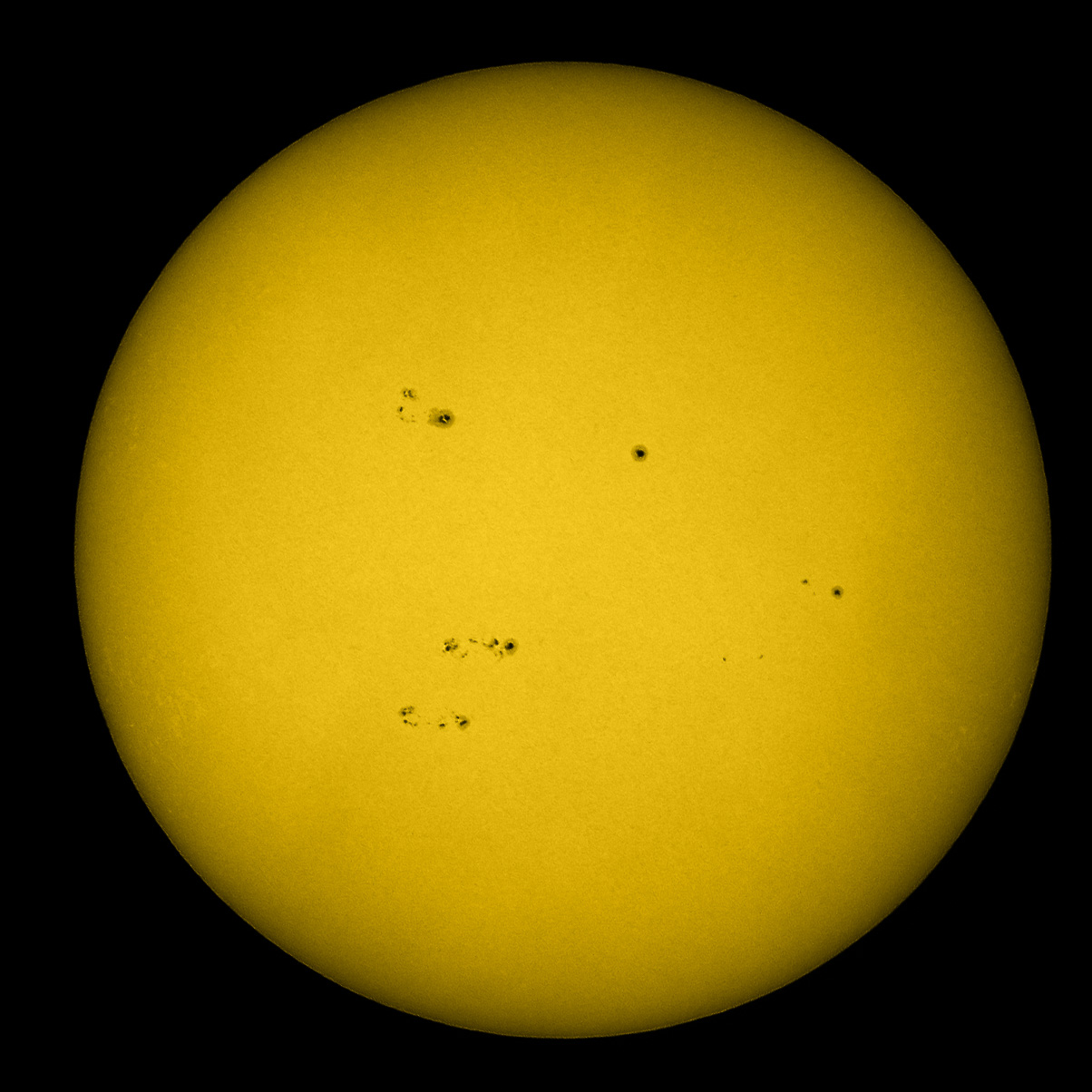
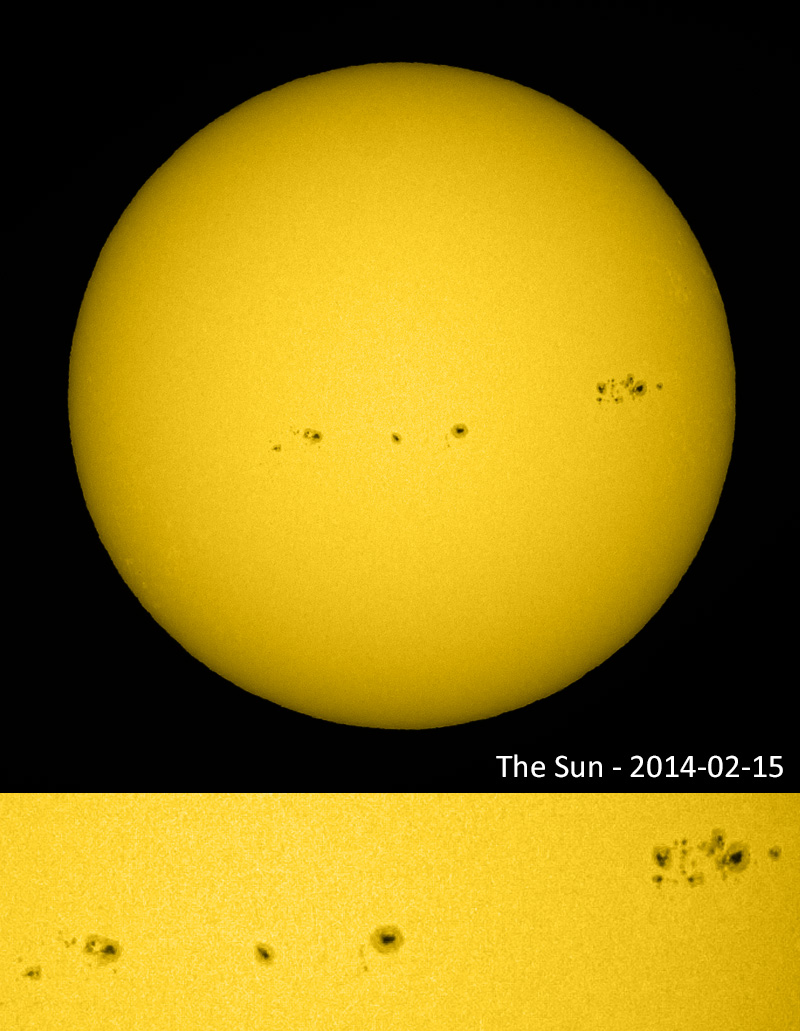
Inspite the low solar maximum that we are experience currently, the sun showed a quite active surface today:
Last week’s snow has almost completely melted and the stars are reflected in the resulting puddles of meltwater.
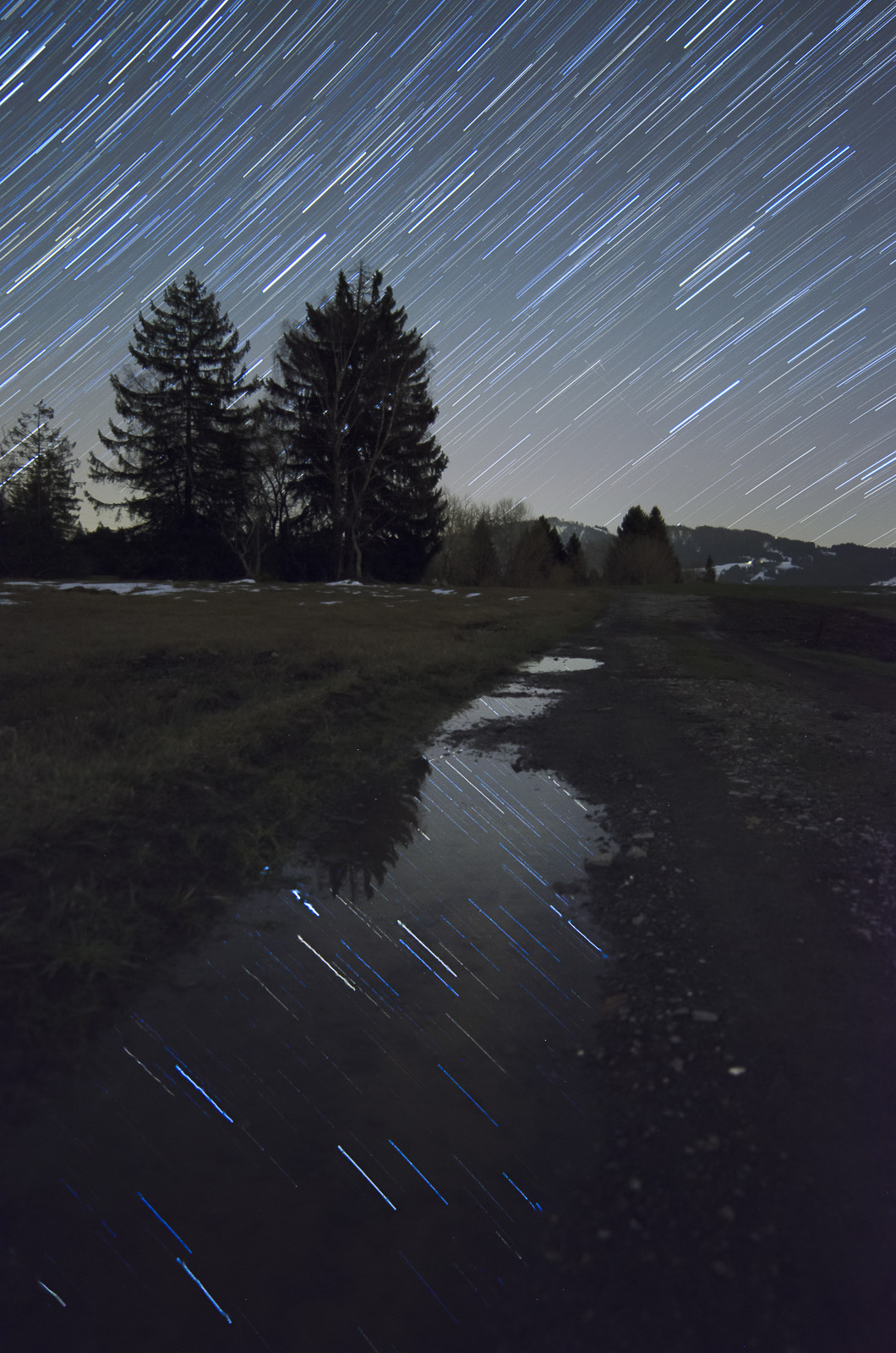
This image is a stack of 38 individual exposures: Nikon D7000, Walimex (Ssamyang) 14mm f/2.8, 30s at f/3.2, ISO 1600. Stacked in Startrails, edited in Photoshop (airplane removal) and Lightroom.
Yet another month has passed and the Moon joins Venus in the morning sky.
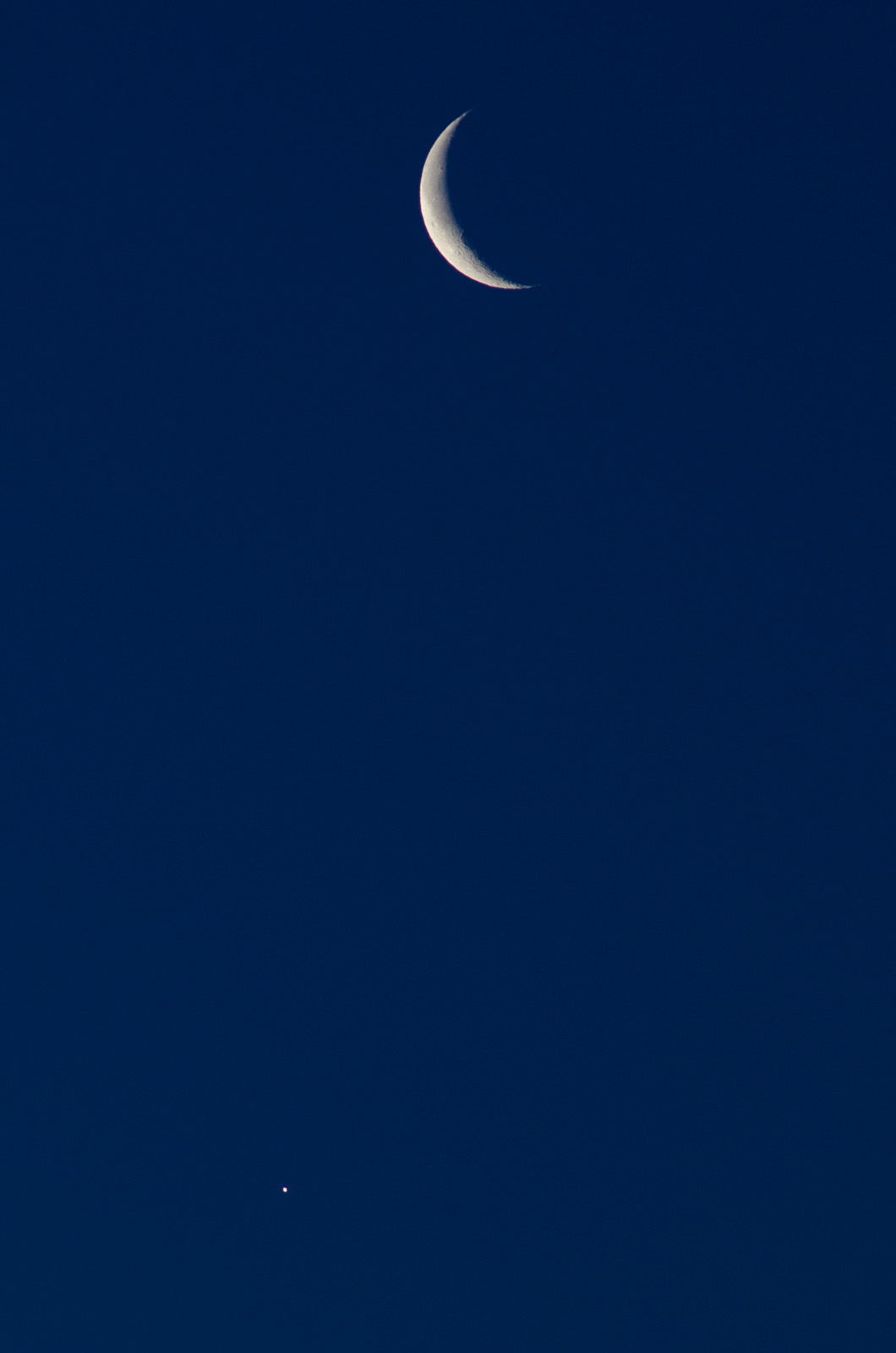
Moon and Venus, 1/50s at f/5.6, Nikon D7000, 180mm f/2.8, cropped
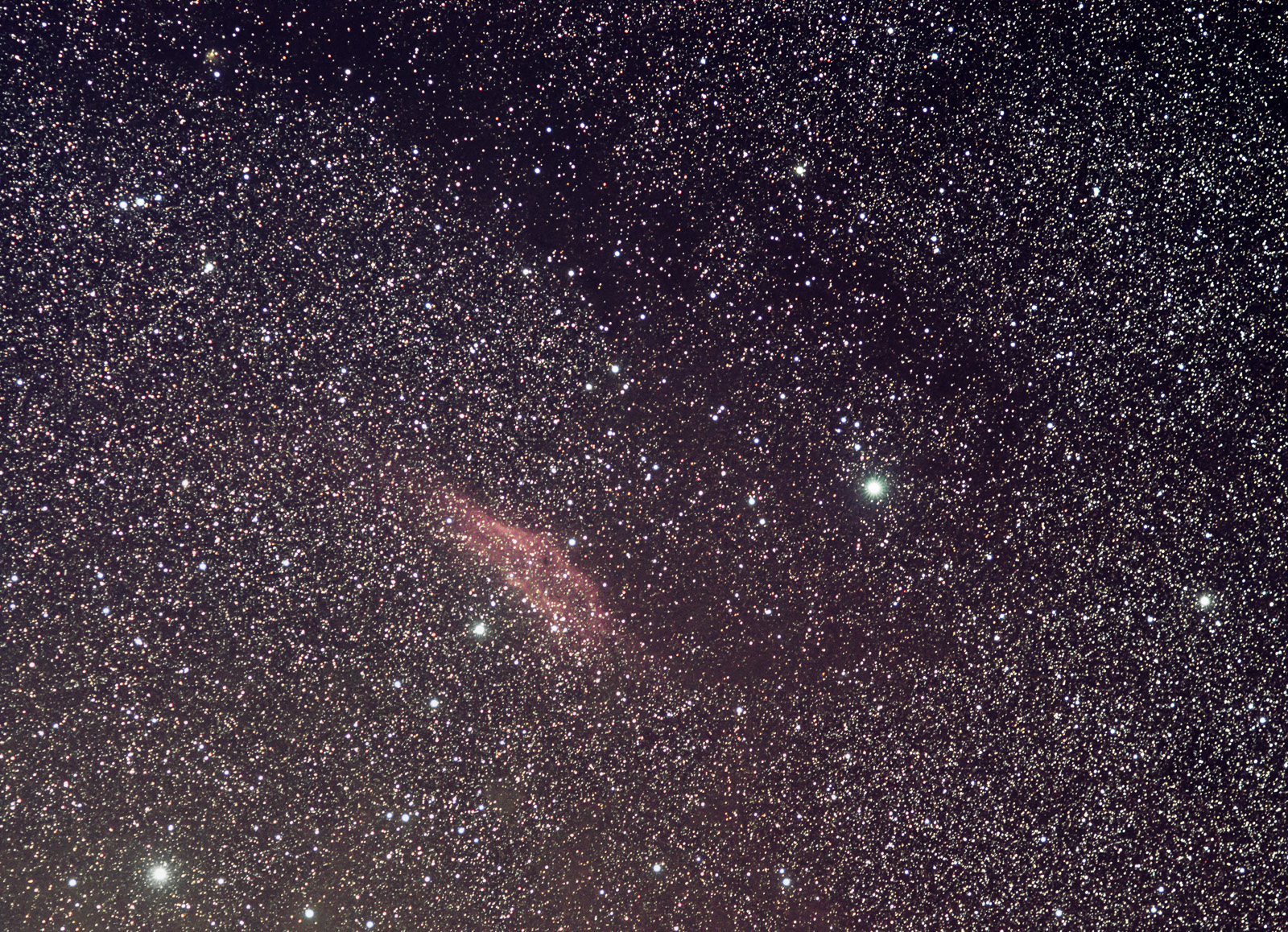
The California Nebula (NGC_1499) is a HII emission region in the constellation Perseus, it was discoverd by E.E. Barnard in 1884 on long exposure plates.
Because of the red color and it’s faintness it is usually only visible in photographs.
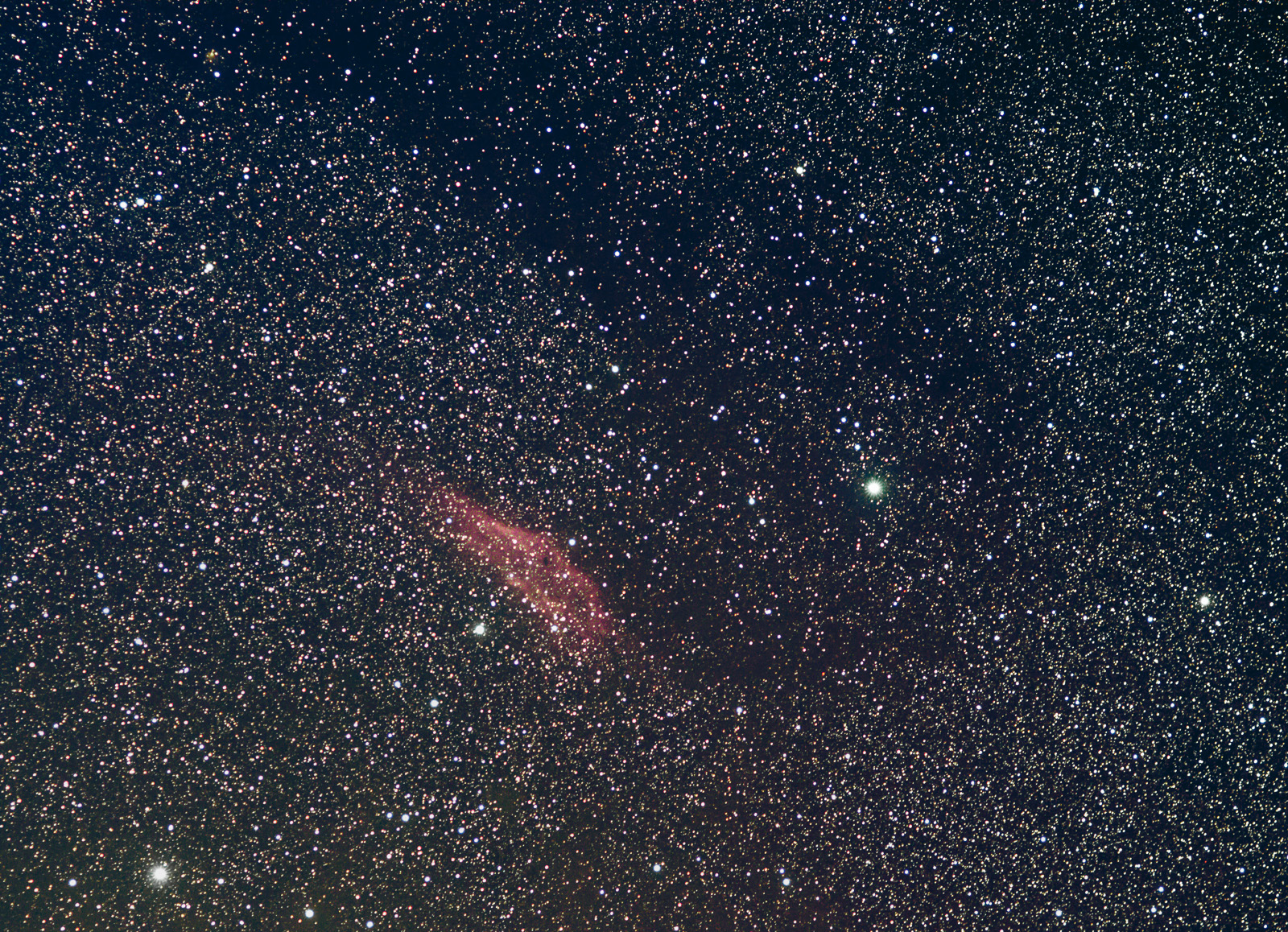
I used my unmodified Nikon D7000 camera in combination with the Nikon AF-Nikkor 85mm f/1.8 for this photograph. 11 individual exposures of 120 seconds at f/2.8 were combined using Regim by Andreas Rörig. Additional adjustments were made in Adobe Lightroom.
Last night I did some last tests in preparation for upcoming travel.
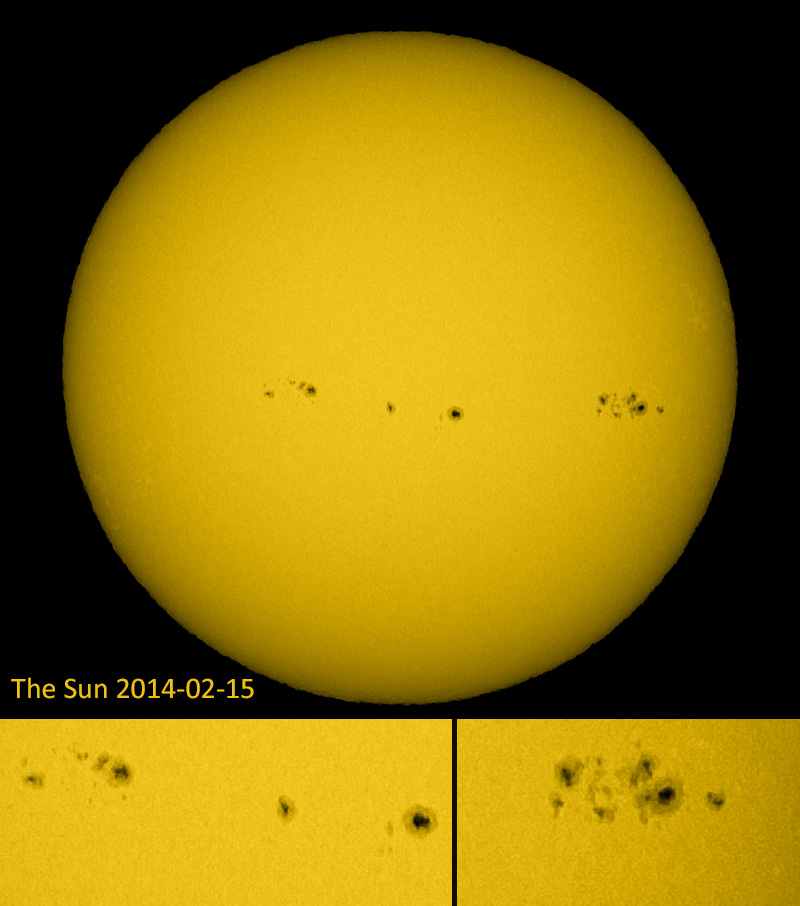 Not only the number of sunspots increases during solar maximum, also the location of the sunspots changes. From the beginning of a solar cycle (at the minimum) the location of the sunspots change from higher solar latitudes to lower solar latitudes at maximum. That means that at solar maximum the sunspots tend to group around the solar equator. The new solar cycle would be signified if a sunspot would appear nearer to the north or south solar pole. From the image below one can see that we are experiencing the solar maximum currently.
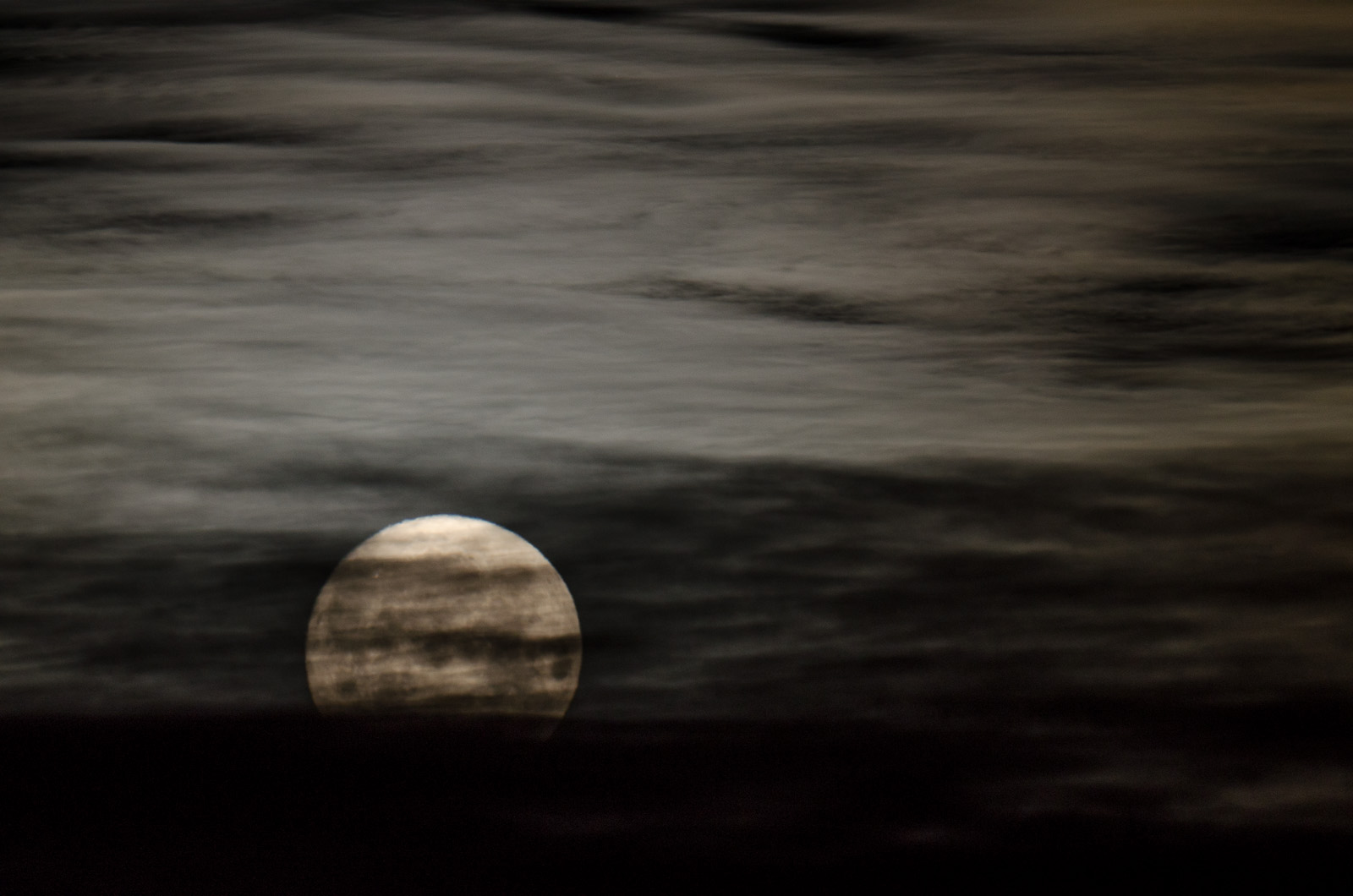
The full moon sets behind a layer of clouds
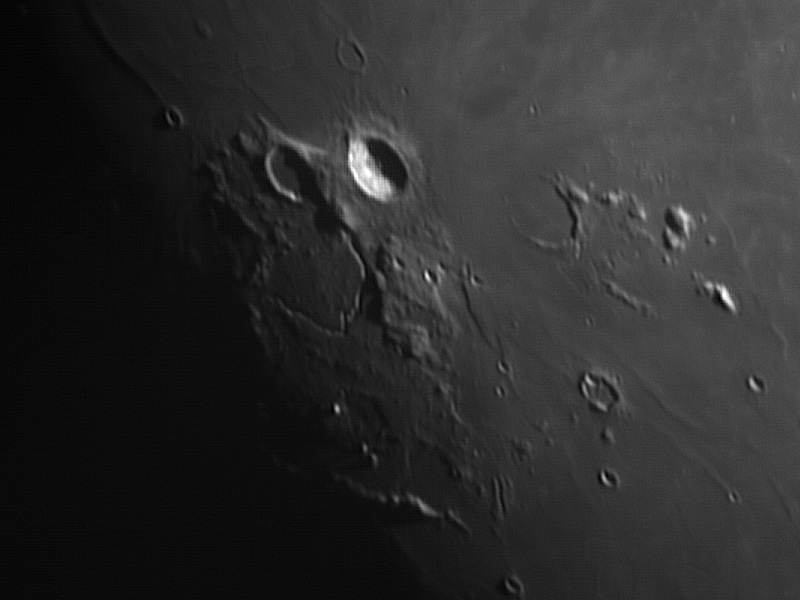
The region around the bright crater Aristarchus is a favorite part of the moon for me.
This is a detail from the image below, the terracing on the inside of bright Aristarchus is sligthly visible. The Schröter Valley is a channel created by lava flows.
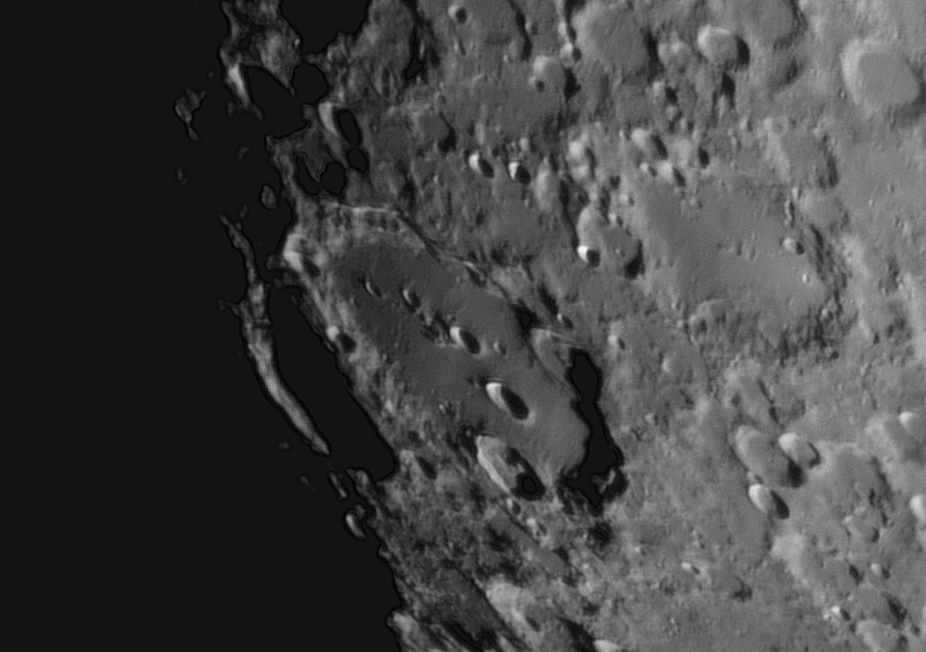
Shortly after the first quarter the crater Clavius begins to emerge from the shadows:
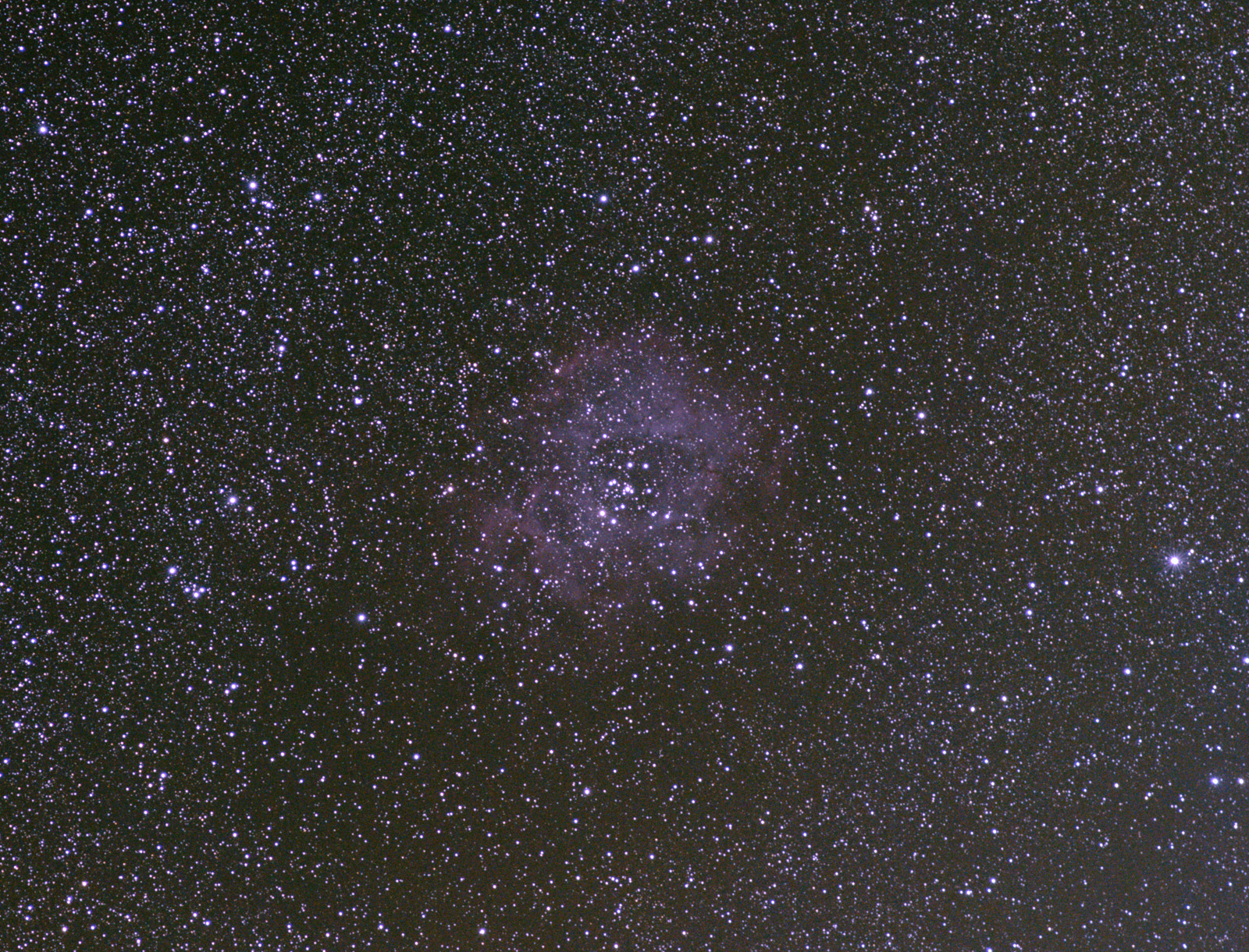
In preparation for an upcoming trip I am doing some equipment tests to prepare for the opportunity to observe from a dark sky.
It turns out even with the very rough polar alignment that is possible with the built-in peephole of the Polaire tracking mount 30 second exposures are possible with 180mm focal length on an APS-C camera:
3 x 30s – f/4 – ISO 1600, no darks, no flats, stacked with DeepSky Stacker, Nikon AF Nikkor 180mm f/2.8, Nikon D7000
This is the ful frame:
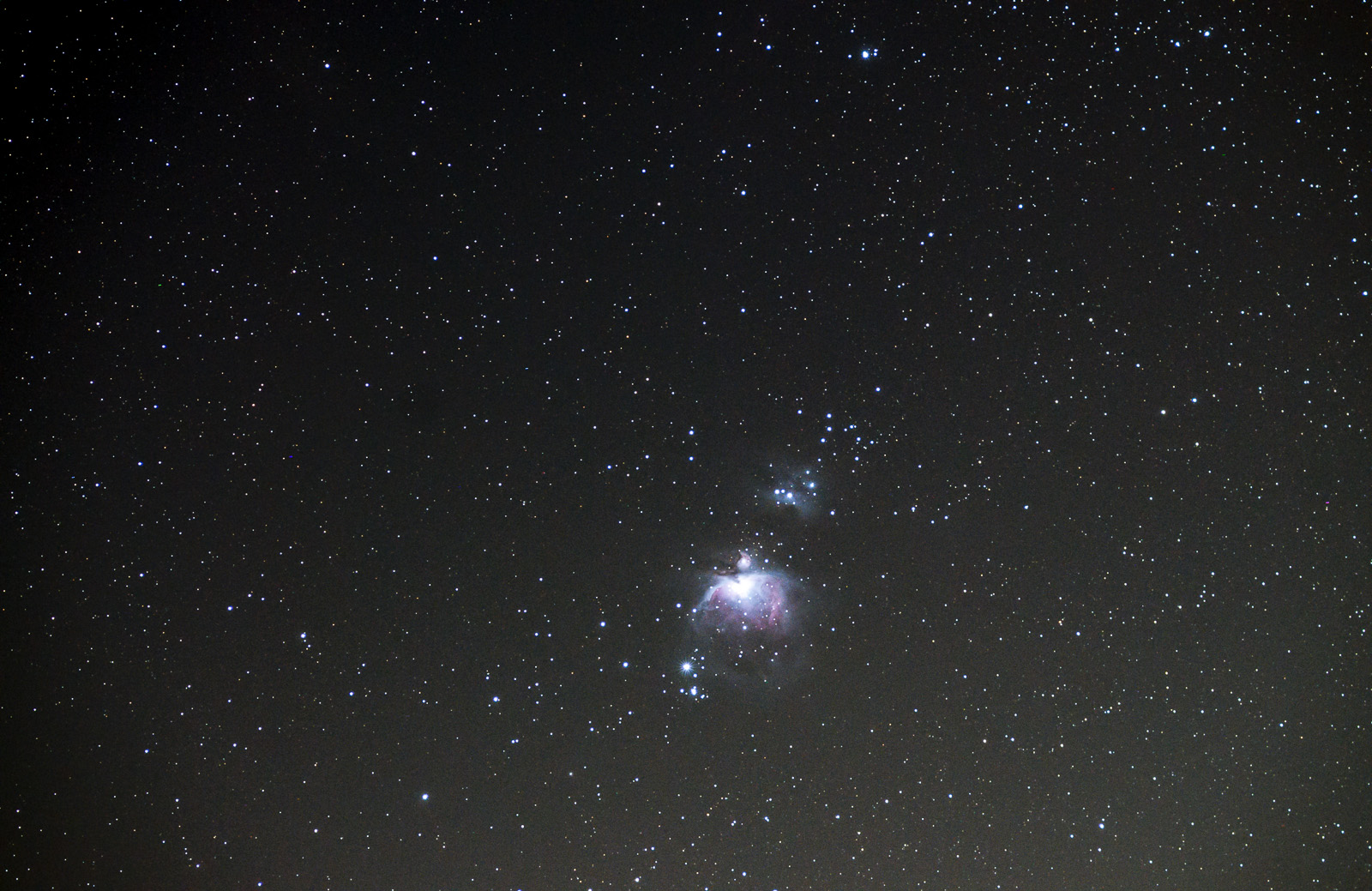
detail of the image above: Read More