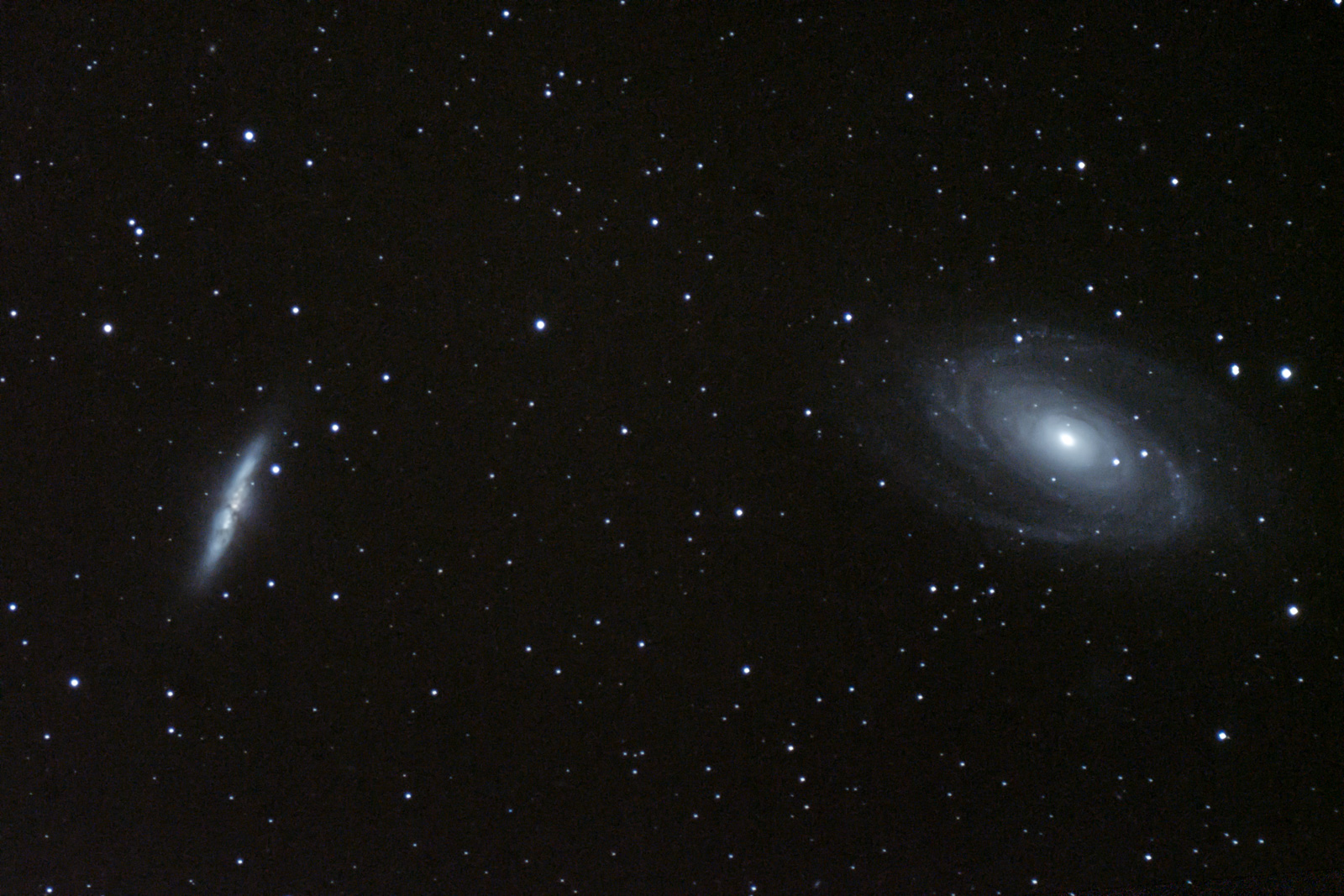
M81, M82 and Jupiter


At first I had to wait for about two hours until the floodlights on the adjacent soccer field were turned off, then I had trouble locating the galaxies as the 6×30 finder is not really adequate in a light polluted sky, then came problems with the connection from BackyardNikon to the camera, and when everything was set up correctly, the guiding was not working properly, resulting in trailed images… so quite a lot of effort went into this picture, but of course a lot has been learned.


Bild mit den eingebetteten Einstellungen speichern. Read More →

M42 & Lovejoy

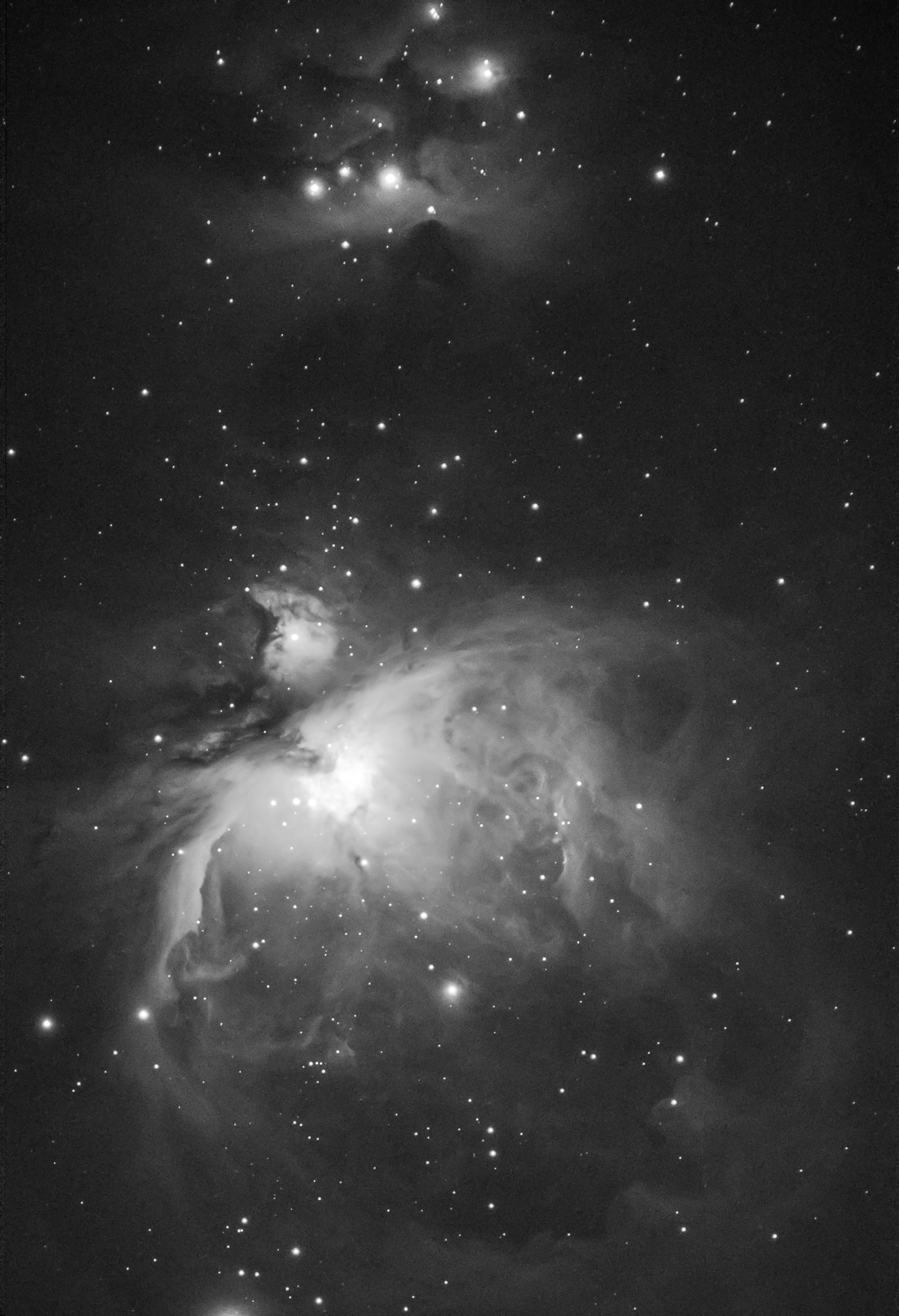
At last the sky was reasonably clear to try out my new toy. In fact the Astro-Physics 127mm f/8 refractor is not exactly new, as it was manufactured in 1989, so I was even more curious as how it would perform.

The Super Polaris mount is definitely overwhelmed with the weight of the big, long refractor, but on a windstill evening it works tolerably well. As this was basically a test, and I didn’t want to make matters even more complicated, I didn’t use any autoguiding, and therefore limited the individual exposure times to 30s. I had to throw away about half of the epxosures due to tracking errors, but 14 exposures looked good enough to use. Transparency was pretty bad, a slight haze due to the freezing cold air and smoke from wood-powered heating combined with the light pollution of the rhine valley made the sky very bright. In the color version, the sky looks quite murky, I like the black and white rendition better:
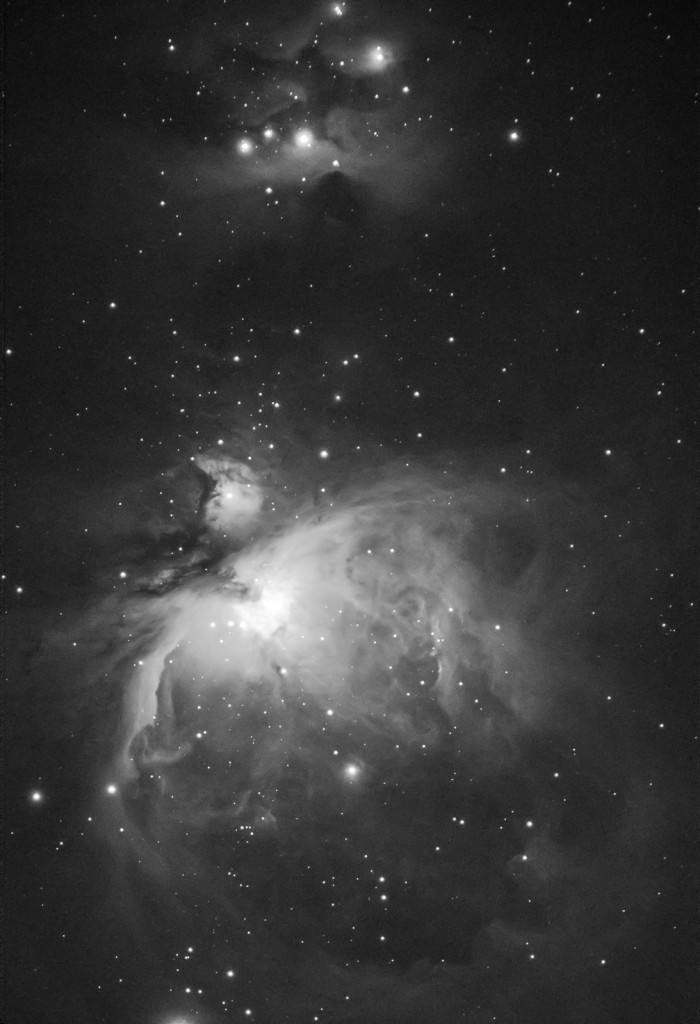
 

14x30s Nikon D7000 ISO 1600, Astro-Physics 127mm f/8

M42, 14x30s Nikon D7000 ISO 1600, Astro-Physics 127mm f/8

Read More →
The Moon 2015-02-06

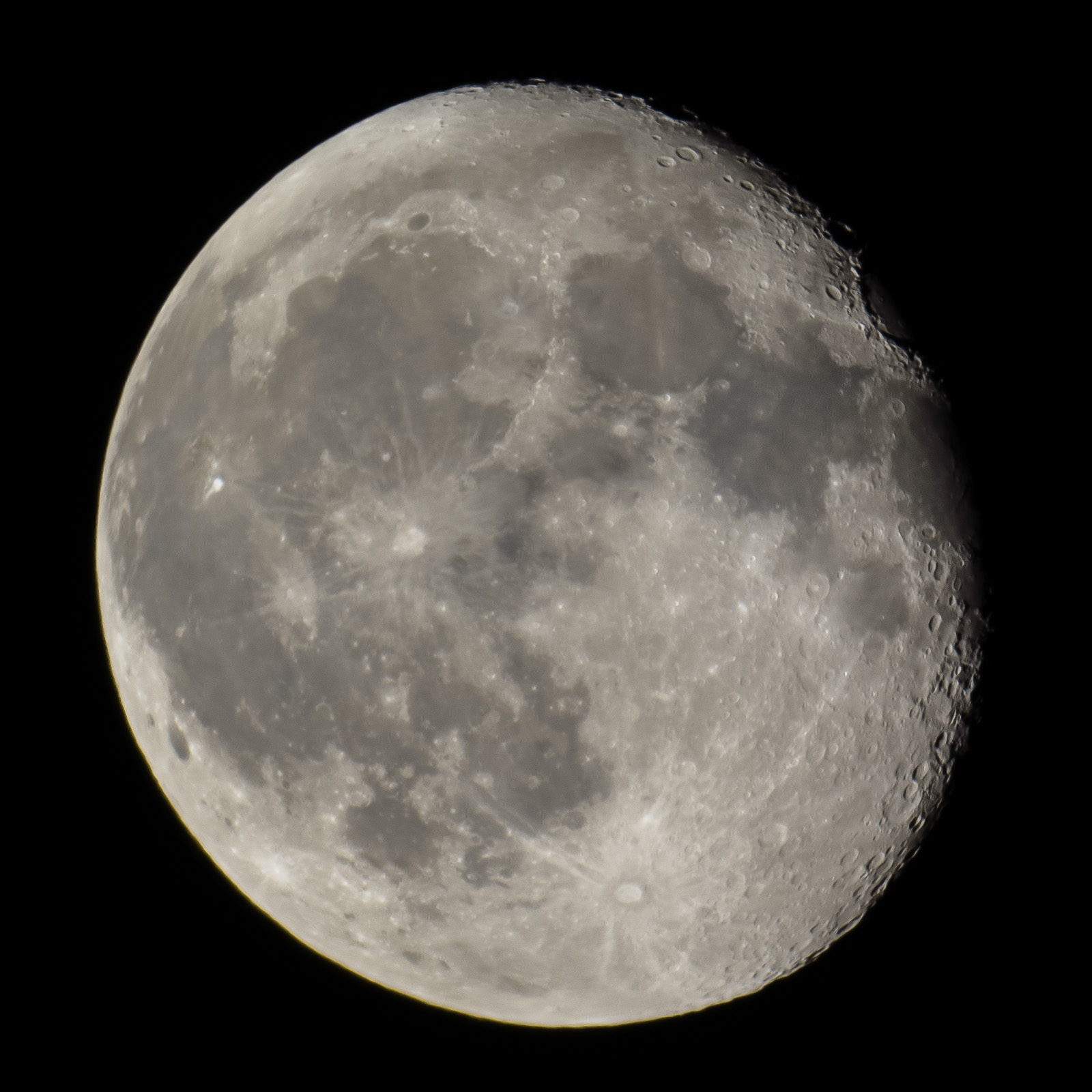
With temperatures below freezing and a strong cold wind biting into the flesh of my hands I retreated to the warm inside of the house after only a few minutes, this is a stack of 6 shots using Autostakkert.

autostakkert_50perc_stack_1600px

AP 127mm f/8, Nikon D7000, ISO 1000, 1/400s

13.1.2015 Mercury and Venus conjunction

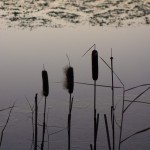
After work I rode my bicycle towards Liechtenstein (a very small country next to Vorarlberg, the Austrian province where I live in), to catch the Mercury/Venus conjunction next to the Egelsee. As I only had my RX100 compact camera with me, the focal length was rather limited. To pass the time for the sky to darken I took some shots of the pond.

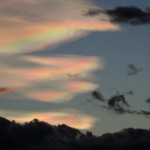
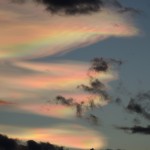
Mercury and Venus conjunction, Iridescent Clouds

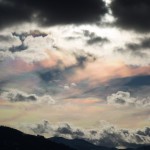
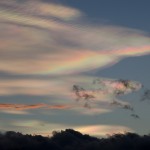
On January 10th 2015 bright iridescent clouds were visible the whole day. At sunset the colors became even more intense and many people became about this rare atmospheric phenomena. Neighbours asked what those colors in the sky actually were.

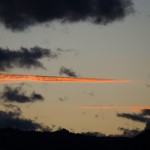
At sunset I was able to take some images of the nice Venus and Mercury conjunction.

All cloud images are straight out of camera (SOOC) with no color, brightness or contrast changes. The conjunction images were slightly processed in Adobe lightroom to make the planets stand out more prominent.

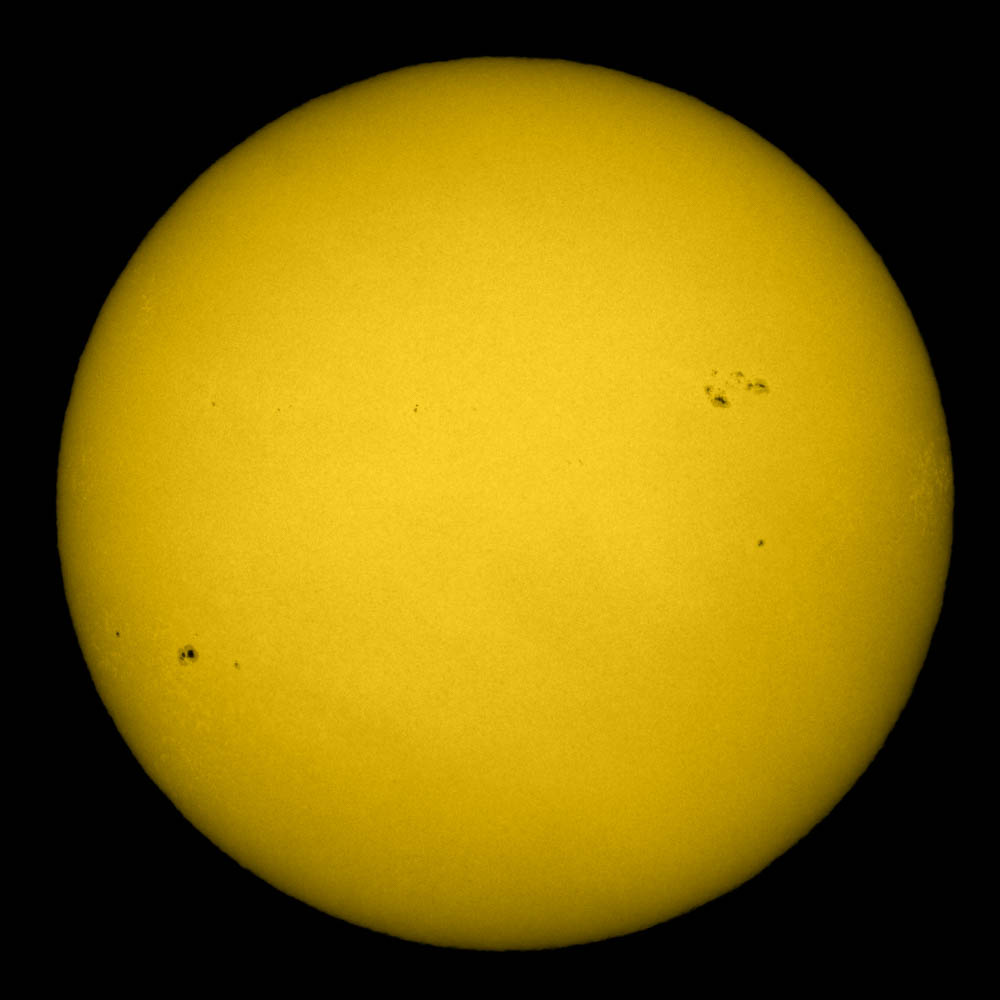
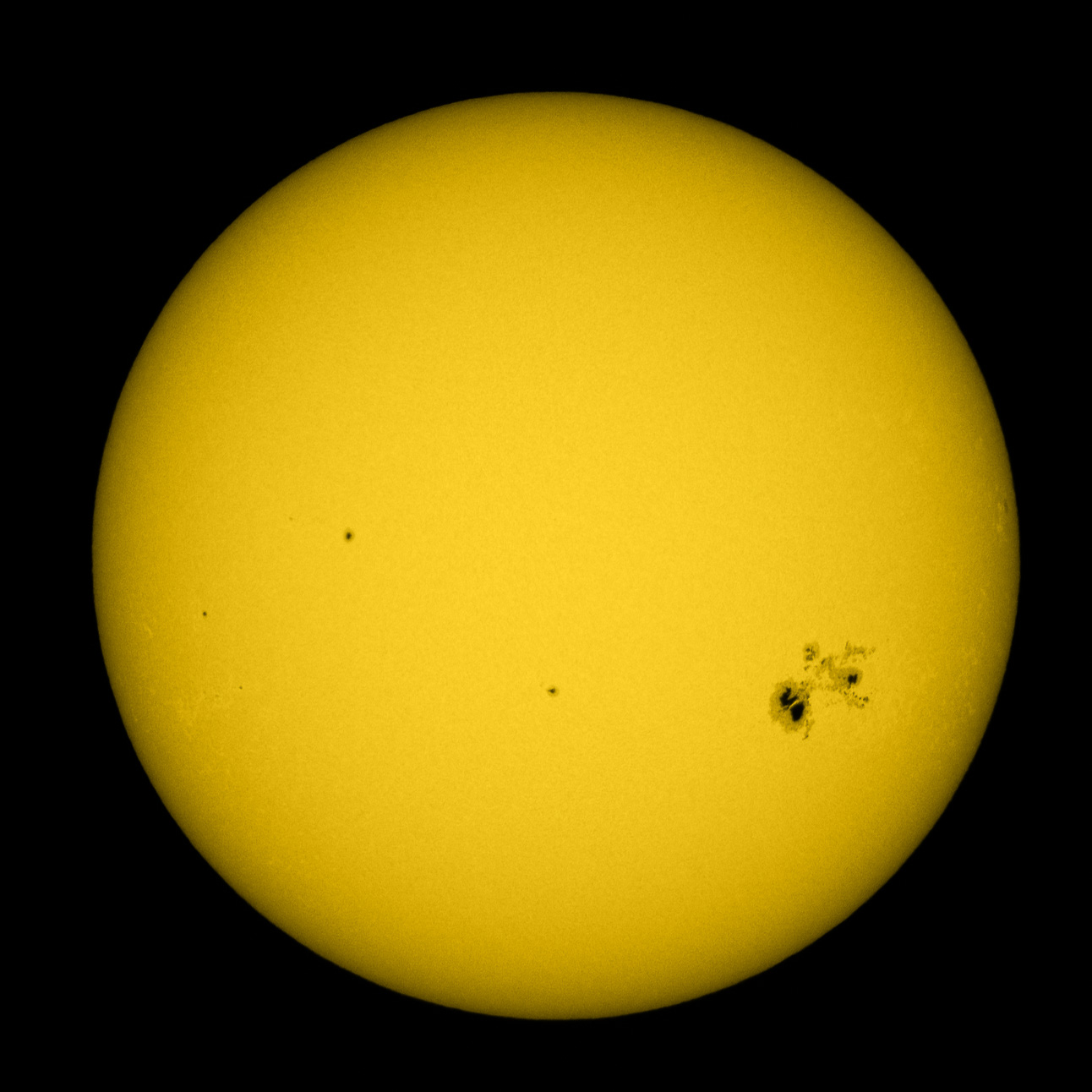
Monster Sunspot AR2192

Today I had the opportunity to see and photograph the giant sunspot Active Region 2192, it already has rotated a bit away from our direction, so the probability of a massive solar storm with possible damage to space and other infrastructure is reduced.

Full disc view of sunspot AR2192

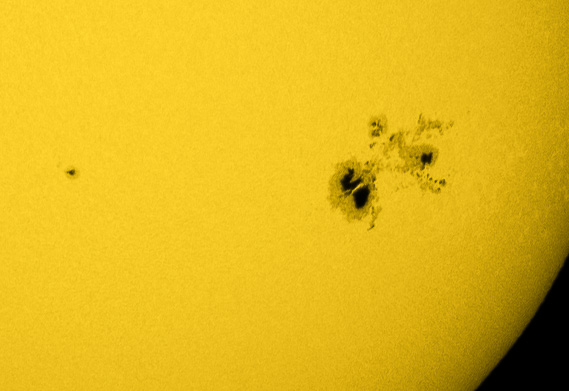
Detail of the image above:

Closeup of Sunspot AR2192


The images were taken with a Nikon D7000 camera using a Astro-Professional ED80 f/7 doublet refractor. A Baader solar filter ND3.8 was used for filtering the sunlight.

Bright night, bright meteor

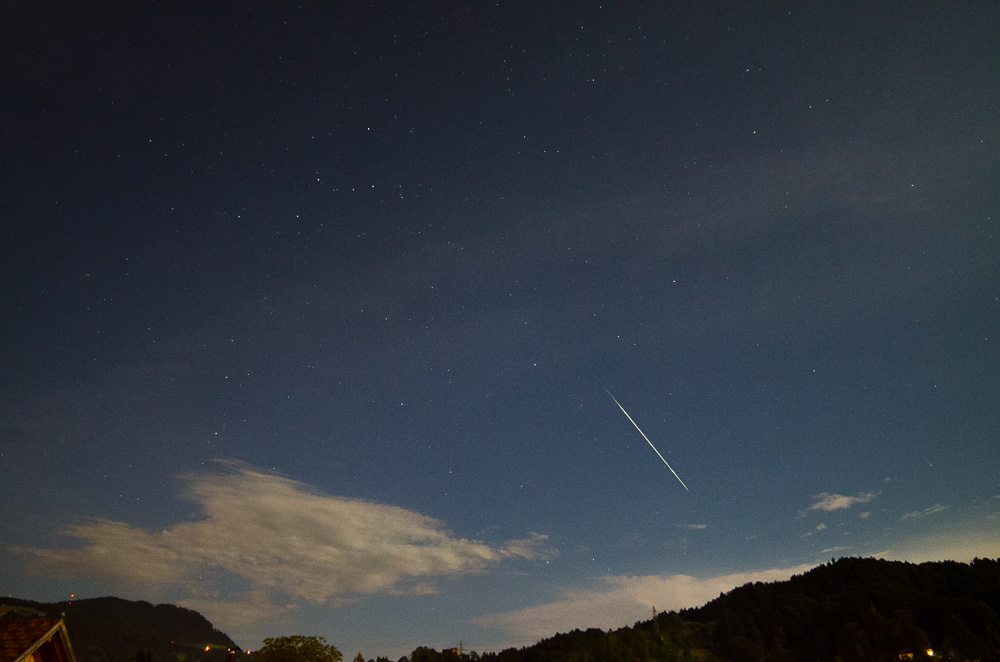
With the so-called super-moon shining brightly outside the chances of successful meteor observations are pretty low due to the light of the moon washing out the fainter stars and of course meteors too!

But as the weather prospect for the next few nights is pathetic I set up the camera and took 434 shots using my Nikon D7000 with the Samyang (Rokinon, Walimex) 14mm f/2.8 camera at f/2.8, 2,5s and ISO3200. One of the frames actually captured a quite bright meteor:

DSC_9911_1000px

Read More →