At the beginning of the evening, a short session imaging Jupiter, then I switched over to some galaxies.
This is a short animation made from multiple AVI sequences:
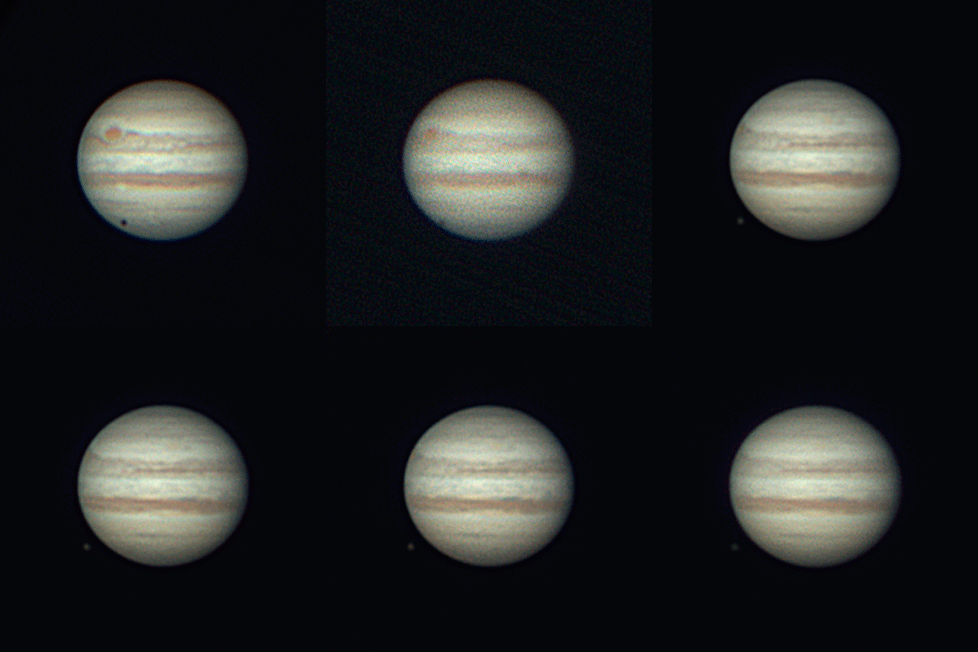
At the beginning of the evening, a short session imaging Jupiter, then I switched over to some galaxies.
This is a short animation made from multiple AVI sequences:
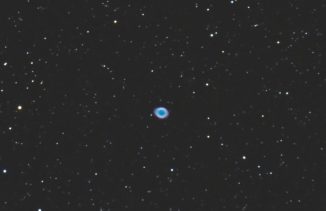
In spite of bad seeing and strong gusts of wind I did set up the big refractor to do some astrophotography. I spent quite some time to get things running – in the end the spring galaxies were already too far west in the glare of the train station, so I switched my targets to two globulars and a planetary nebula. Here is a list of what went wrong:
Today I was making sure everything is in working order for Monday’s transit of Mercury across the sun.
I was able to fix the issue of the declination runaway motor of our club’s LXD-650 mount, and took some images using the 127mm refractor with a 1,4x teleconverter.
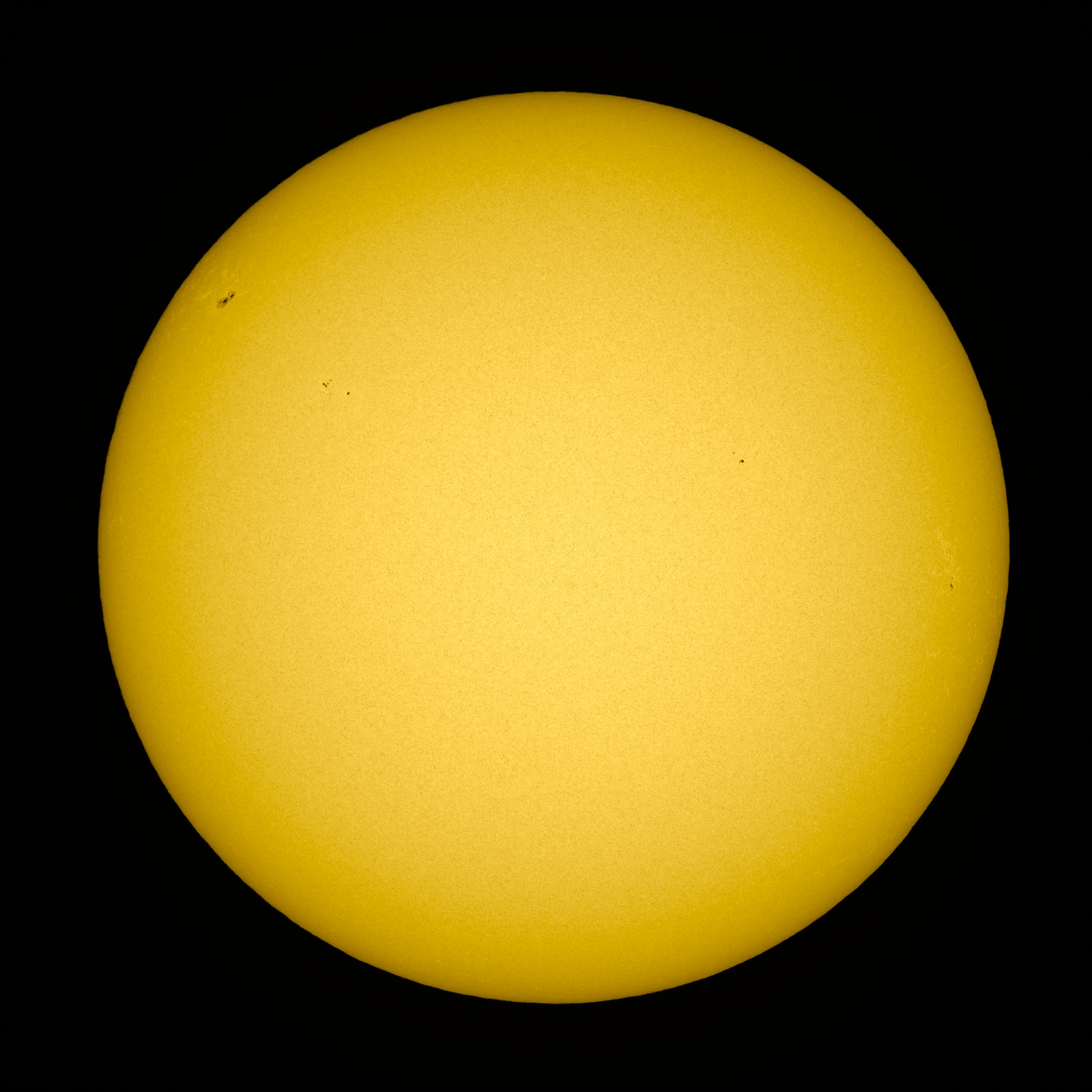
The sun 05-05-2016, Astro-Phsyics 127mm f/8, Nikon TC-14E II, Nikon D750, 1/4000s, Baader ND3.8 photographic solar film
23rd October 2015
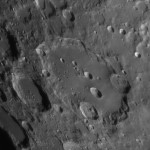
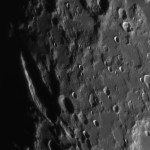
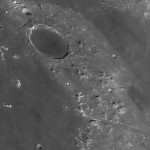
127mm f/8 AP refractor, Televue 3x Barlow, QHY5L-II color CMOS camera, stacked in Autostakkert, processing in Photoshop.
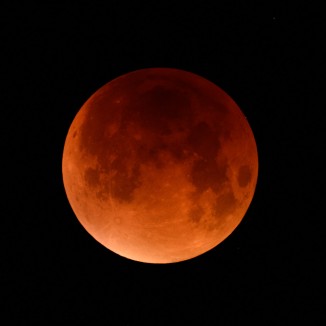
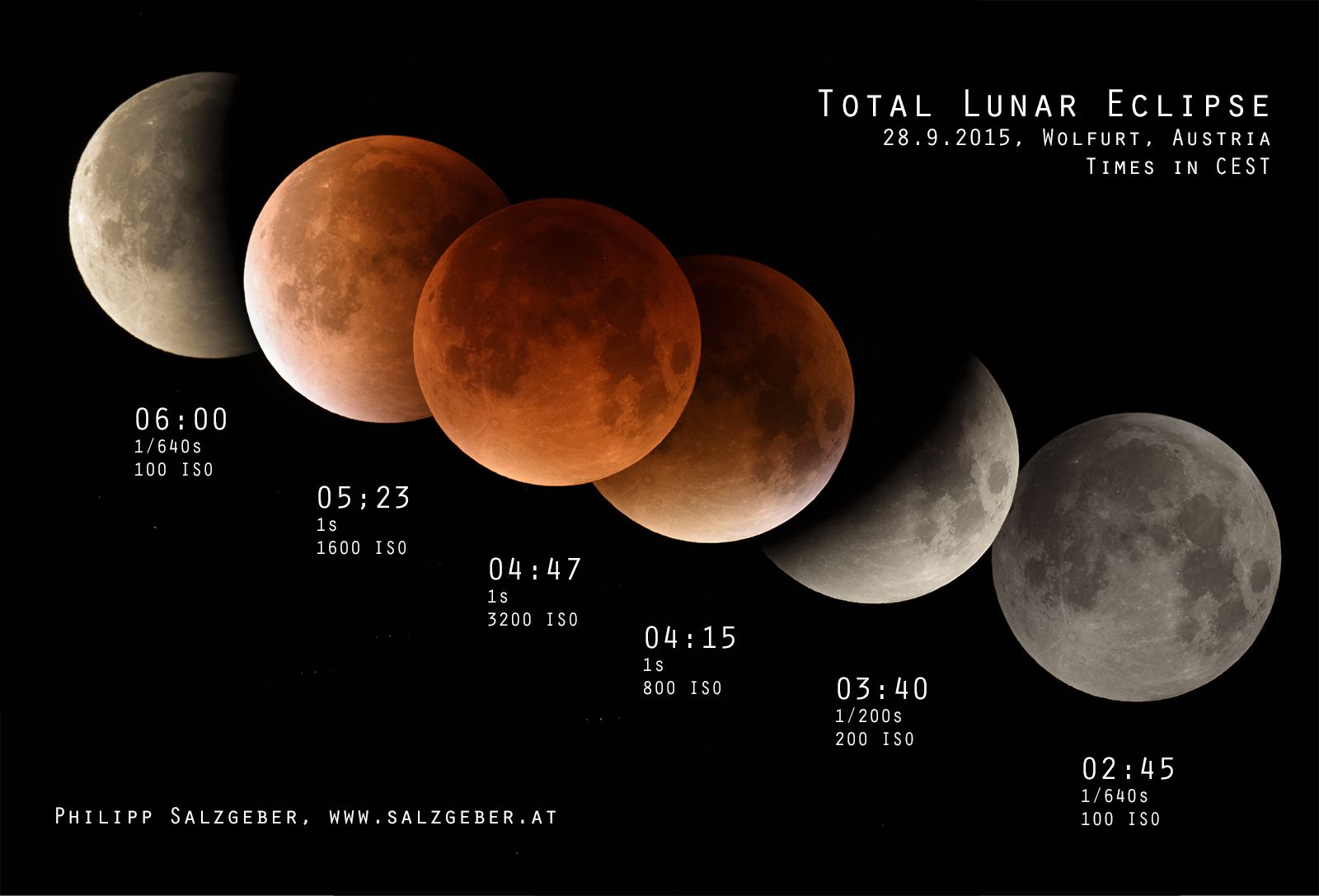
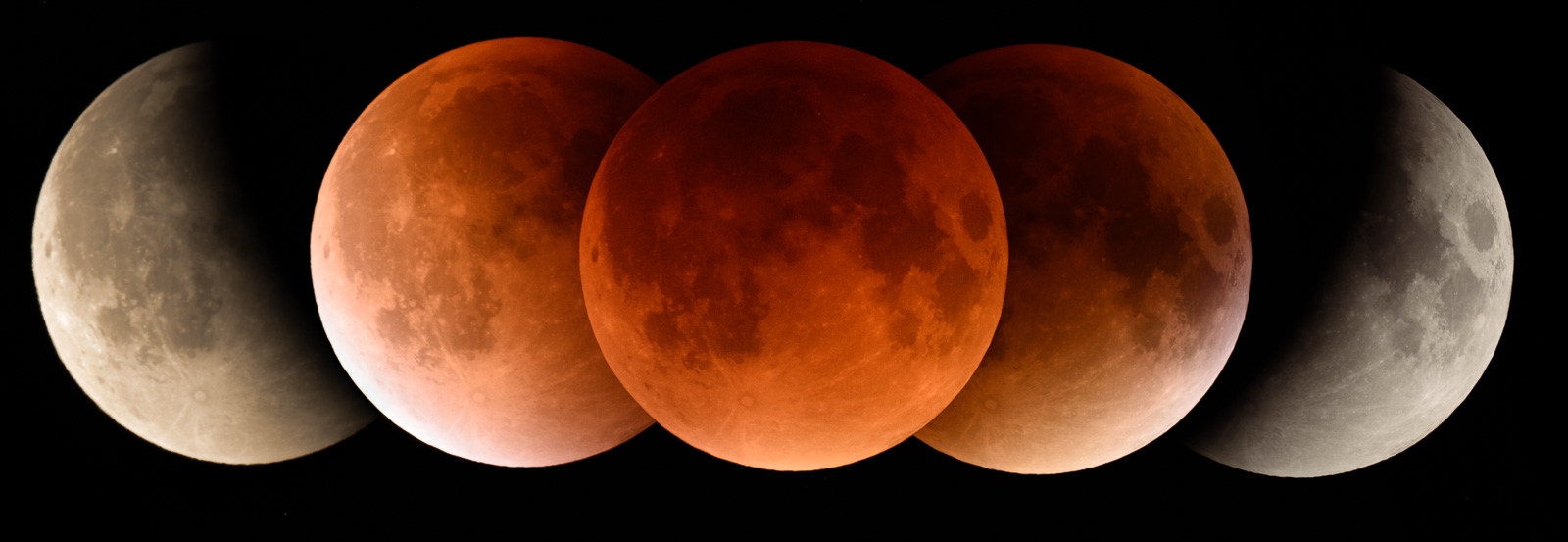
The September 28th total lunar eclipse was very impressive, as it turned out to be a very dark one, and for once, it happened in a perfectly clear sky.
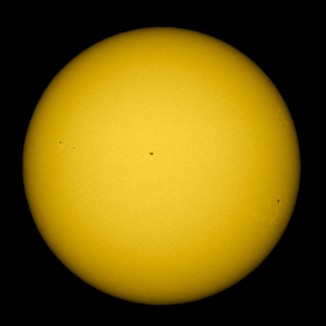
Today I tried to capture a transit of the ISS across the disc of the sun, but somehow I missed it, even though I started my series of exposures according to a GPS clock. So the only result I can show is the face of the quiet sun, with only small sunspots littered across. Read More
M13 and M3 are two very fine globular clusters visible in the spring sky:

3x120s. 127mm f/8 refractor, Nikon D7000
After a long spell of clouds of rain, on sunday evening I took advantage of a few clear hours to get some more data on M51. This image is a combination of raw images from April 20th and May 10th. The total exposure time is now at 64 minutes.
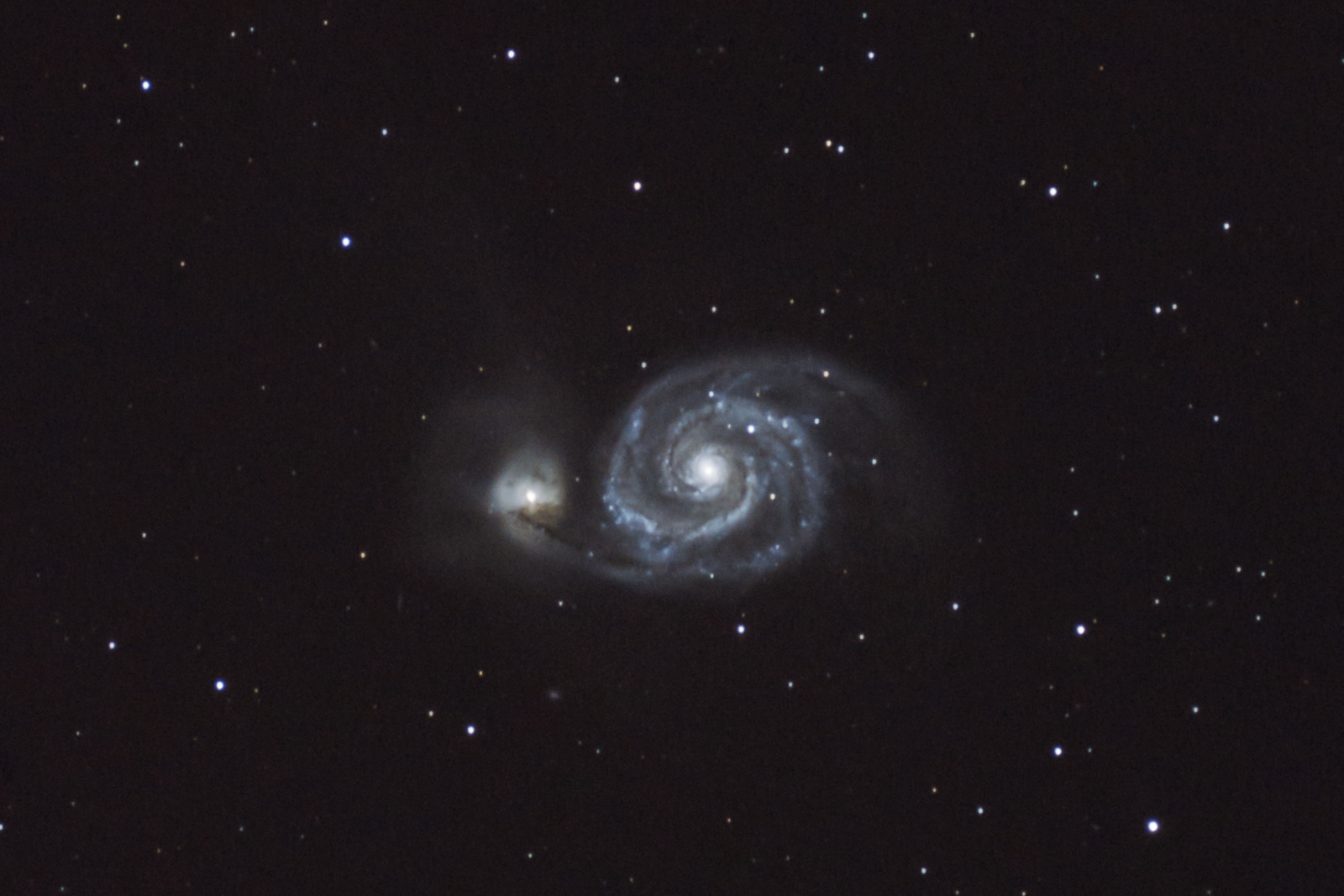
32x120s, Nikon D7000, ISO1600, 127mm f/8 refractor
Today the sunspot called AR2339 featured prominently on the sun’s disk:
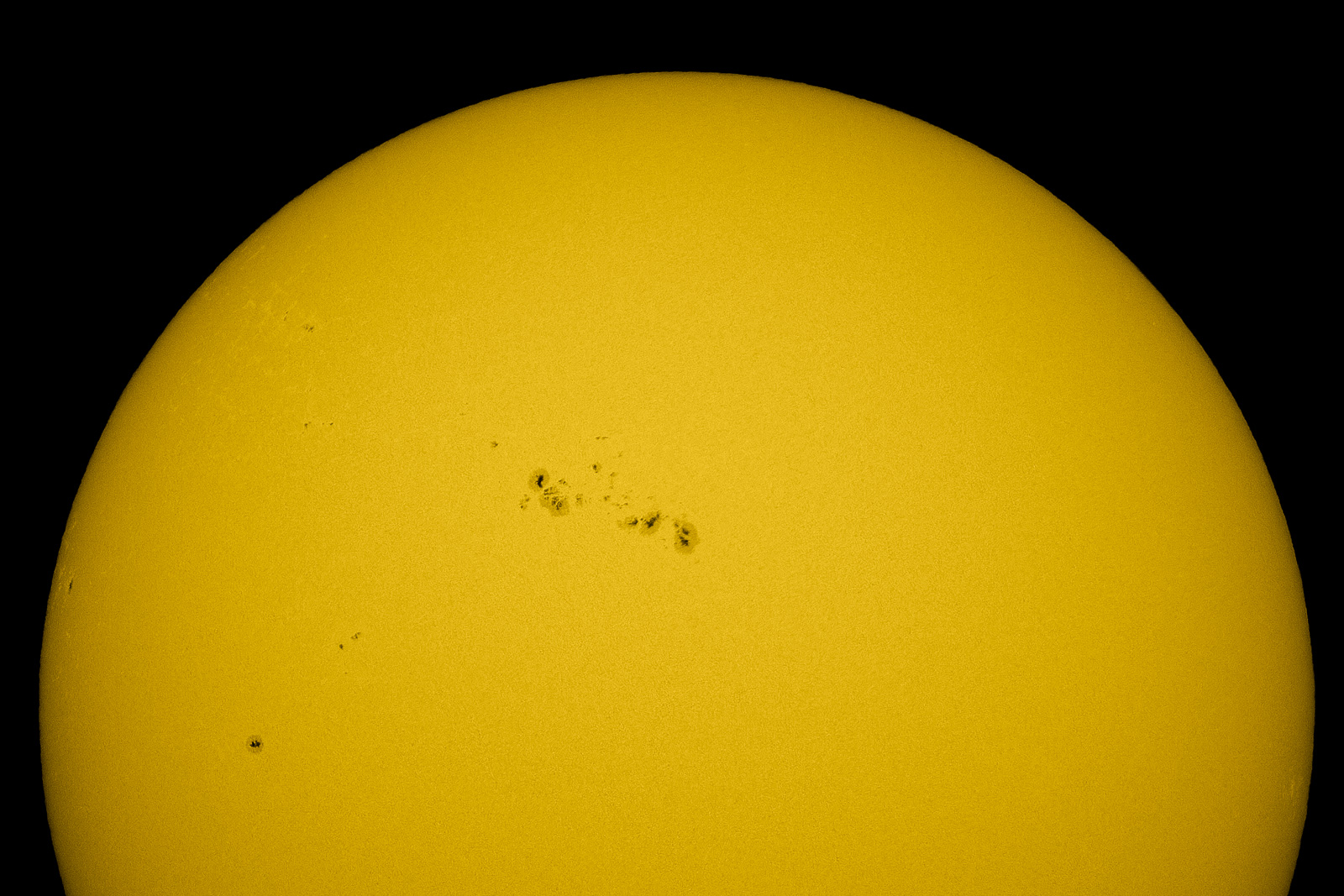
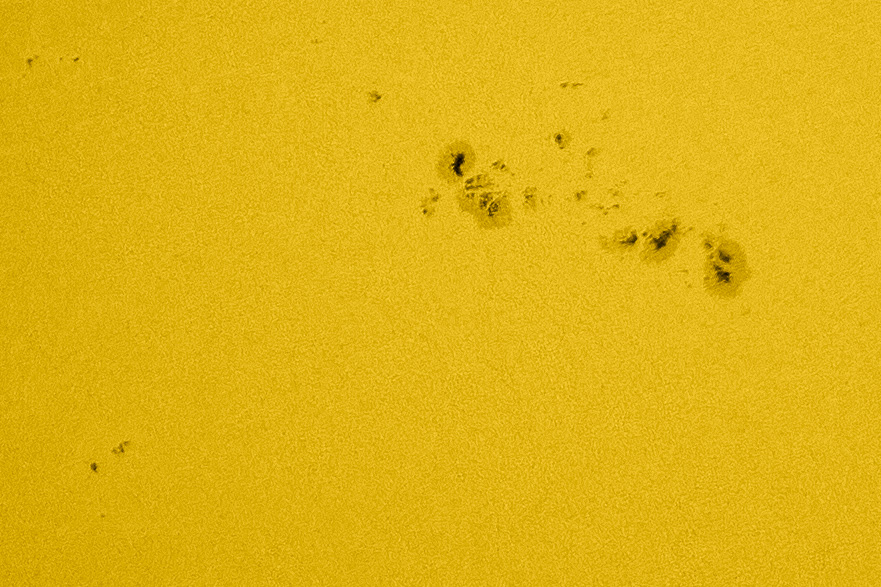
the images are single exposures using a Canon EOS 60Da, and a 127mm f/8 apochromatic refractor, using Baader Solar Film ND3.8 ISO100, 1/8000s
After I acquired the 127mm refractor I was on the search for an affordable mount suitable for astrophotography, serendipitously I learned that my astronomy club is in the possession of an old but working Meade LXD 650 mount. It turns out, the LXD carries the refractor quite nicely, here are the first images shot with that combination:
NGC is a long time favourite of mine, the galaxy is beautiful in the eyepiece as well as in pictures:
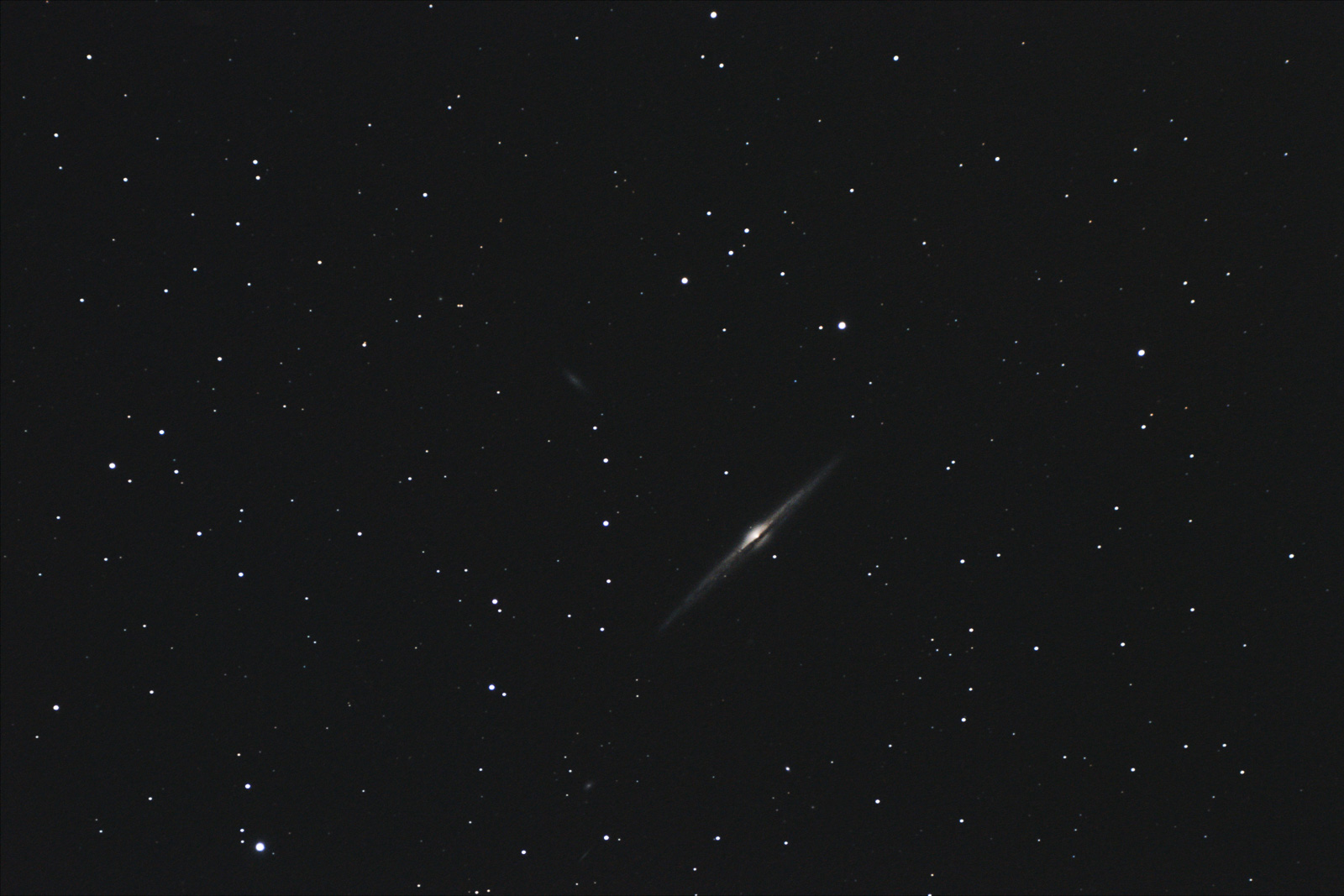
NGC 4565, Astro-Physics 127mm f/8 refractor, Nikon D7000, Meade LXD650 mount, 14×120 sec., darks, flat, processed in Deep Sky Stacker, Lightroom and Photoshop